
Kenneth H. Cooper’s Career Has Been Focused on Service and Fitness

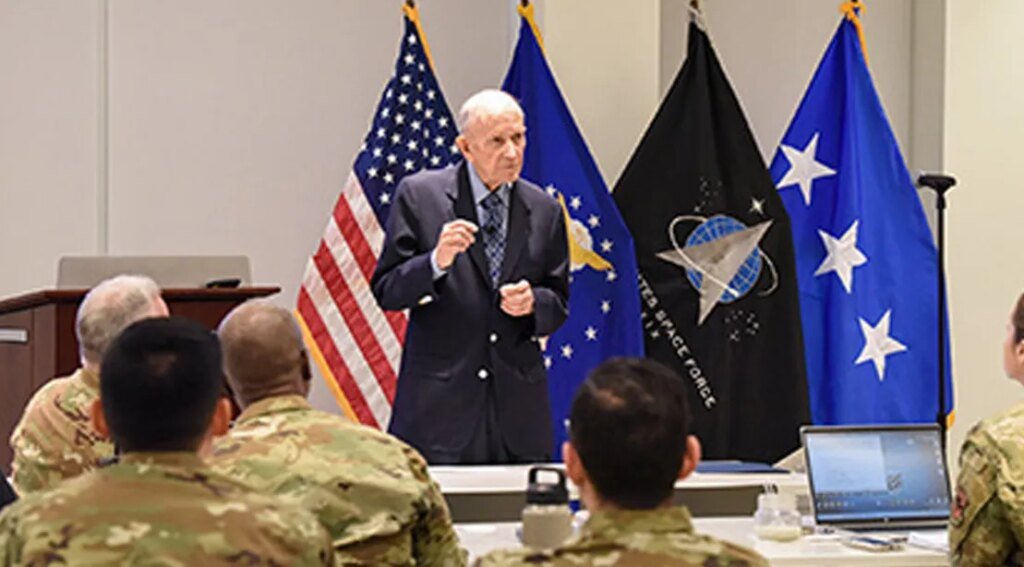
The 2026 World Cup is being held at various stadiums throughout the United States, including the Dallas, Texas area, where Argentina defeated Austria 2-0 on June 22.
Many soccer (or football internationally) fans throughout the country have been excited to see the world’s greatest players in action. One such fan was Dr. Kenneth Cooper, but he had a unique connection to the sport that very few people can claim. He had first-hand contributions that helped a team win the World Cup, specifically the 1970 Brazilian team. Cooper gave a presentation and met the team’s trainer, who suggested that Cooper’s knowledge could help his athletes, who were in Mexico City at the time. Cooper tested the players with his famous “12-minute test” and found they were running 1.86 miles in 12 minutes.
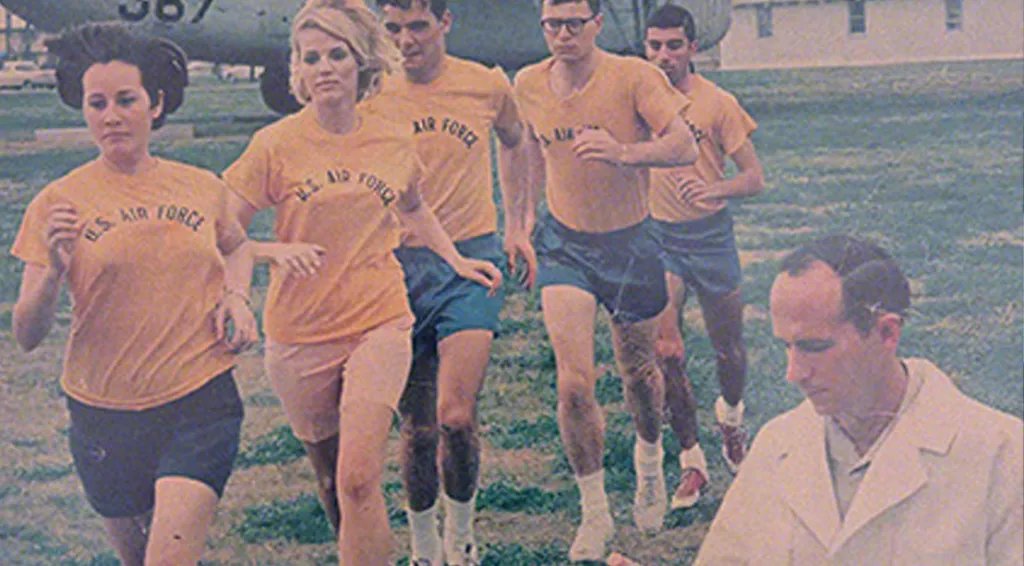
“I had them run 20 miles a week,” Cooper recalled. “They were running at a 7-minute pace, running in fragments of 4 to 5 miles to get that 20 miles a week. By the end of that time, a year later, we retested them at 2.3 miles in 12 minutes.”
The focus on conditioning paid off because Brazil won six straight matches and ultimately take the title back to their home country. Cooper acknowledged having a legend like Pele on their team was the deciding factor, but his tactics played a role as well.
“And so, they were in outstanding condition—they beat everybody in the second half.”
Who Is Dr. Kenneth Cooper and Why Is He Called the Father of Aerobics?
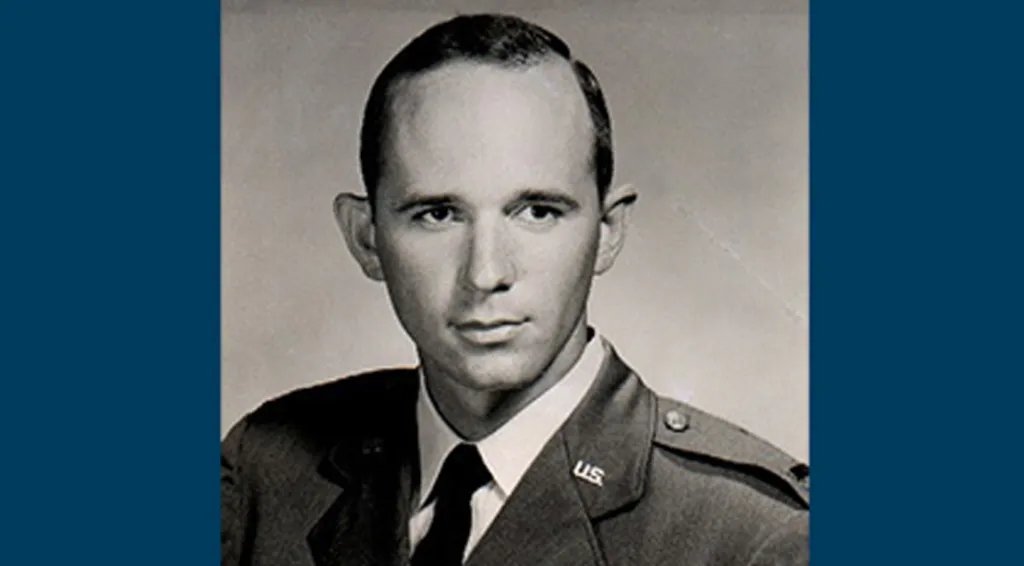
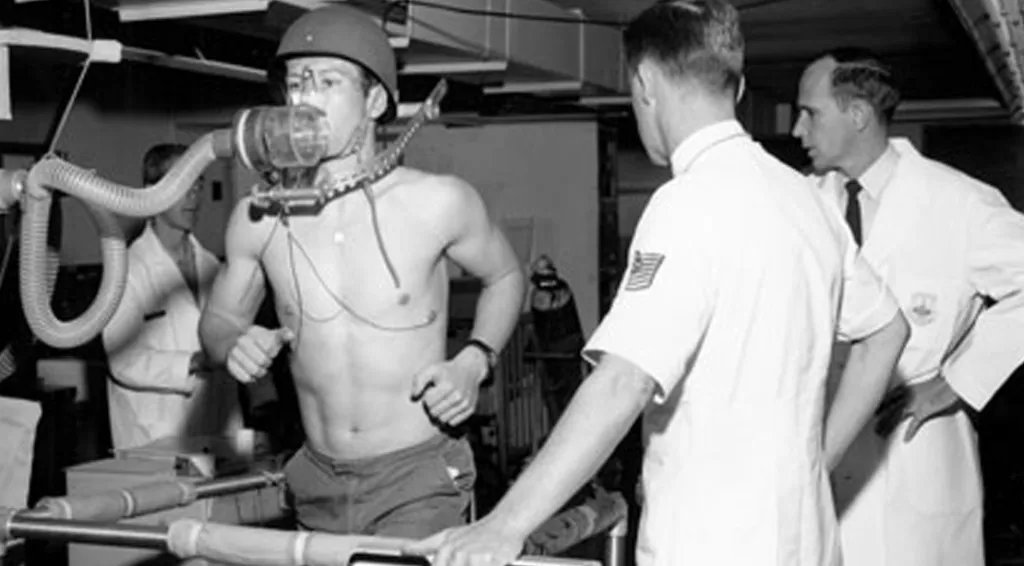
Cooper is revered in the fitness space as “The Father of Aerobics,” but prior to that, U.S. Air Force Lieutenant Colonel Cooper served for 13 years, including time as a flight surgeon. His contributions were not only significant but historic. Cooper worked directly with NASA to help design the physical conditioning and in-flight anti-deconditioning programs that prepared early American astronauts for space travel. Of course, he also created the famous 12-minute test that was used to gauge cardiorespiratory fitness.
Cooper’s help with the Brazilian team is considered an early point of the legendary career that he built. Cooper reported that following Brazil’s victory in the 1970 World Cup, he went on to visit the country 21 different times, and his name is still echoed by citizens generations later.
“They now call jogging in Brazil “doing the Cooper.”
After his retirement from service, Cooper settled in Dallas and focused on his medical practice. Cooper Aerobics Health and Wellness has since become a staple in that community. He even had a group of 20 patients come to his practice for 45 years to become “Cooperized.” By following his principles on aerobic exercise, nutrition, and overall wellness, these patients were found to have lived longer than average Americans.
“The men were living 86.5 years, the women 90.4 years. That’s an average age of 88.6 years, which is almost exactly ten years longer than the national average.”
Why Your Waist Size May Be a Better Health Indicator Than Weight
Cooper’s principles are well-known by many fitness enthusiasts today, but they may not know that it was he that was among the first to preach them; 150 minutes of exercise a week, five to nine servings of fruits and vegetables daily, and while he prefers abstinence from alcohol, he declared a hard cap of one drink a day along with no tobacco.
Aside from his running tests, he also believes in what the military nowadays call the “tape test.”
Cooper explained, “The circumference of your waist should be no more than one-half your height. If you’re 5 feet tall, that’s 60 inches in height; your waist should not exceed 30 inches.”
While the military currently allows 55% of your height in inches for your waist measurement, Cooper remains committed to the standard of one-half.
A key principle that could be considered among his most important is discipline, and he confirmed his ability to be not only living but working at 95 years old as validation of why that is so important.
“My medical school class of 1956, of a hundred students, only five of us are left.”
Cooper still exercises regularly and highlighted that he has run in the Boston Marathon twice in his lifetime. Even as he got older, he didn’t let age serve as an excuse.
“I ran 40 years and 38,000 miles before I finally had to stop running and transition. But fitness is a journey, not a destination. You must keep it up the rest of your life.”
Cooper’s Legacy is Alive World Wide Through Cooper Aerobics
Cooper isn’t alone in his mission with Cooper Aerobics. His son Tyler currently works as President and CEO, and the family business has grown to six businesses and one non-profit and is reaching multiple countries with professionals from China even interested in duplicating what the Cooper family has accomplished. His daughter Berkley is also fitness minded and followed in her father’s footsteps when she ran in the Boston Marathon. Both children are keeping the Cooper legacy alive and are reaching another generation of people that can go on to live healthier and better lives.
“They followed my example.”
Fitness Is a Journey, Not a Destination: Cooper’s Advice for Every Age
Cooper is also a renowned author and has 20 books to his credit. His latest, Grow Healthier as You Grow Older, includes over a half-century of knowledge and experience that is shared to help readers age gracefully and improve quality of life. Aside from reading his book, Cooper shared goals that seniors should strive for in order to not only survive but thrive in their later years.
“I want people 80 years of age out to start walking a mile in 17 minutes,” he explained. “Because studies showed if you can do that, 84% of men and 86 % of women will make it to age 90. My wife will be 91 July the first, so she’s in that category.”
Like his family, Cooper also hopes that other parents will teach the discipline and skills that come with fitness and health to their own children. He even offered his own words of wisdom that could be applied to seniors, children, or anyone else that needs to improve their own quality of life.
“Fitness is a journey, not a destination. You must keep it up for the rest of your life. So, you only transition; you can’t run anymore, you can walk, you can swim, or cycle. Where there’s a will, there’s a way.”
You can order Cooper’s latest book on Amazon.
M&F Senior Military Editor Rob Wilkins contributed to this article.
[ad_2]
Credit to: Source link