
Farmers Want a Healthy Wife

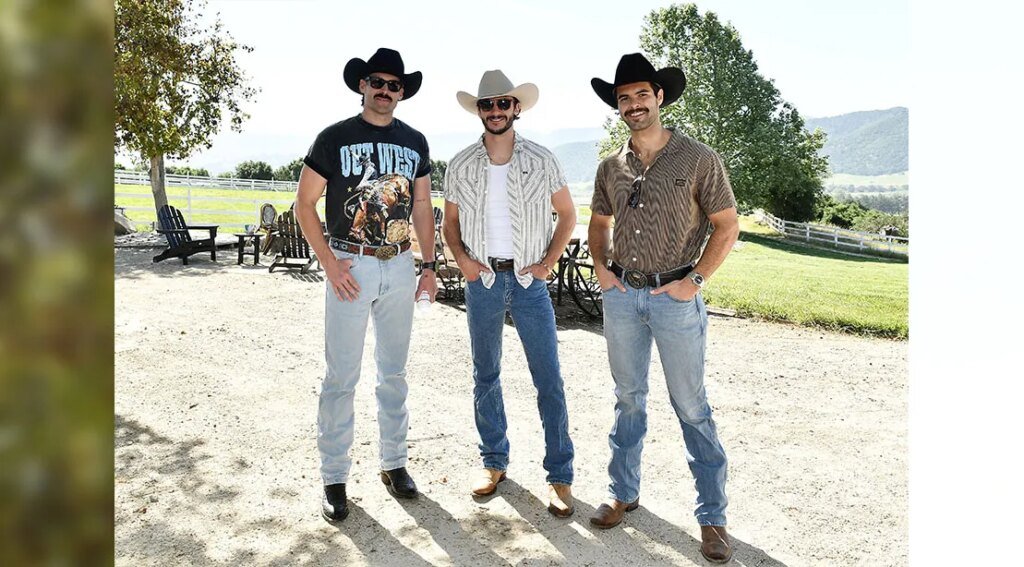
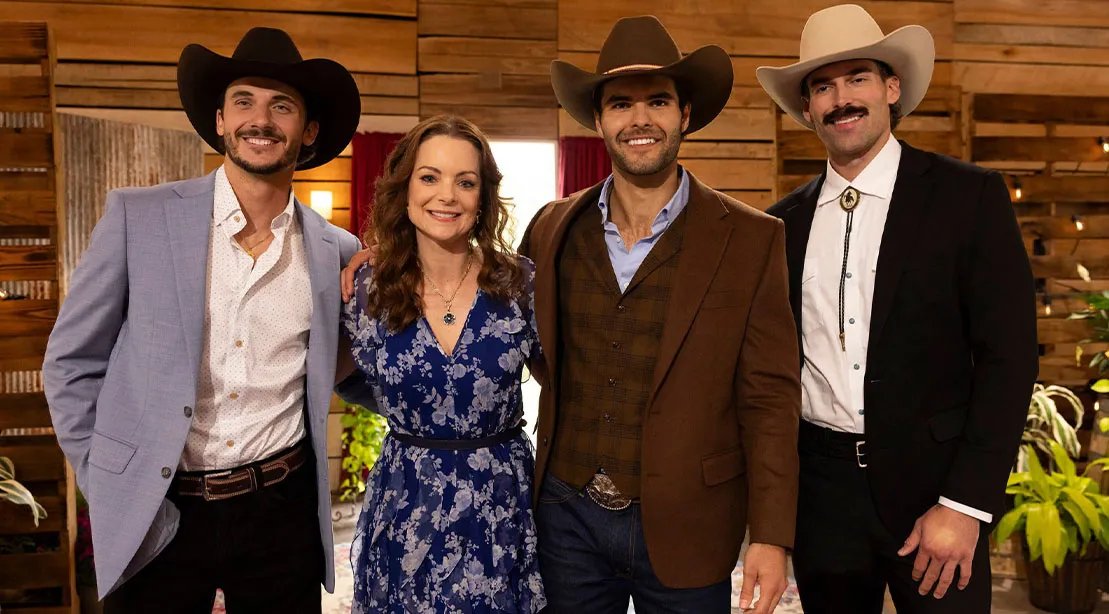
For decades, farming has quietly produced some of the toughest men in America. Long before fitness influencers, cold plunges, wearable trackers, and “optimized” wellness routines became mainstream. Long hours, physical labor, early mornings, and the responsibility of caring for livestock and land have always demanded a level of grit that most people will never fully understand. Now, that lifestyle is being introduced to a new audience through Season 4 of Farmer Wants a Wife, the hit reality dating series airing on Fox.
The show follows hardworking farmers as they search for lasting relationships while balancing the realities of rural life, family values, and the pressure to open up emotionally on national television. But while viewers may tune in for romance and drama, the physical and mental demands behind the scenes are equally intense. Between managing farms back home, navigating emotionally charged relationships, filming long production days, and staying camera-ready throughout the process, contestants quickly discovered that strength means far more than looking good on screen.
During a conversation with Muscle & Fitness, farmers Braden Pridemore, Brett Maverick, and Sean Cavanaugh opened up about the surprising fitness demands of farm life, the mental strain of reality TV, why they prioritize clean eating over fad diets, and how staying physically active has become deeply connected to their mental health. From hauling hay bales and lifting feed bags to squeezing in workouts between filming segments, the trio revealed that the discipline they learned growing up on farms became one of their biggest advantages throughout the experience.
The OG’s of Functional Fitness Splits
While social media fitness trends continue to glorify expensive workout programs and flashy supplements, the Farmer Wants a Wife cast says some of the best workouts still come from real-world labor. Braden Pridemore explained that even on slower tractor days, farm work rarely allows the body to rest fully. Between repairing equipment, lifting machinery parts, and transporting heavy seed bags, nearly every movement becomes a form of resistance training.

“One thing is moving tires, working on equipment, taking machinery apart,” he says. “I also sell seed, so we’re moving 60-pound bags around constantly.”
That type of labor targets far more than just one muscle group. Carrying and loading heavy seed bags repeatedly taxes the shoulders, biceps, forearms, and upper back while also forcing the core and lower body to stabilize under weight. Meanwhile, bending, twisting, and lifting awkward machinery parts creates the kind of functional strength that mirrors movements often replicated in strongman-style training programs. Unlike a controlled gym environment, farm work rarely provides perfectly balanced movements, meaning stabilizer muscles are constantly engaged throughout the day.
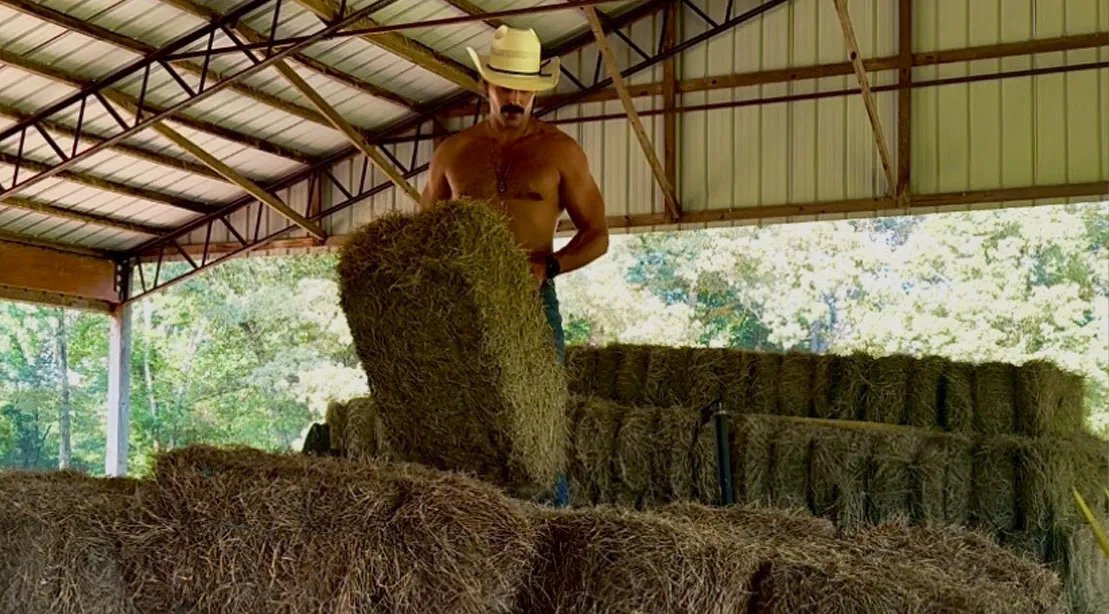
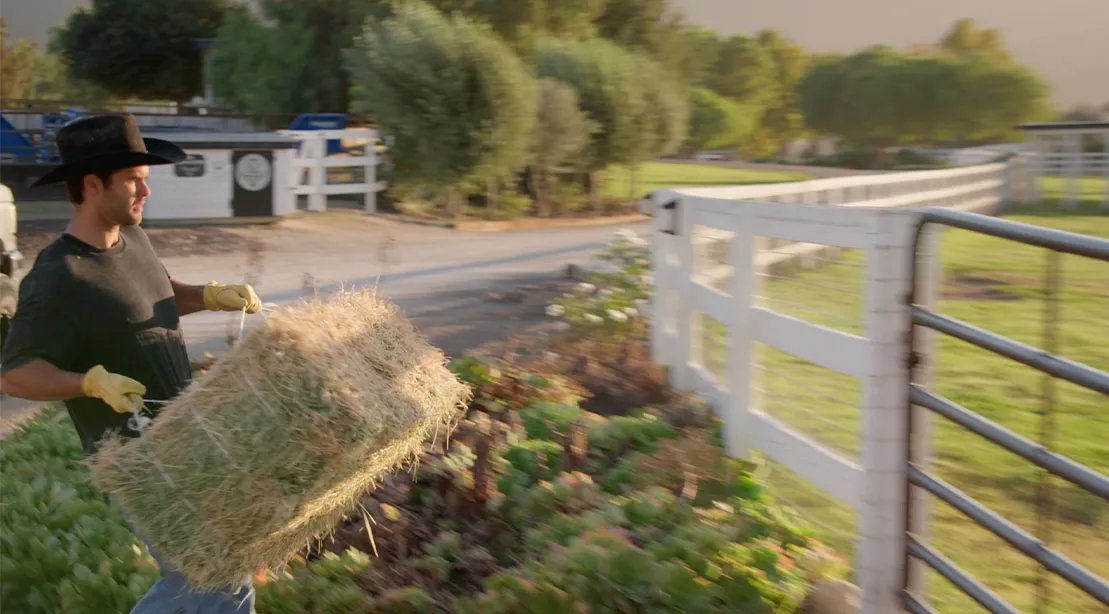
Brett Maverick agreed, saying feeding livestock and handling hay bales often turns into an all-day full-body workout.
“Feed bags, hay bales, moving animals,” Cooper says. “That’s probably more of a workout than anything else.”
Throwing hay bales repeatedly can quickly become a shoulder and back-intensive exercise, while lifting feed bags off the ground recruits the glutes, hamstrings, and lower back, similar to deadlifts. Even walking long distances carrying weight mimics loaded carries, a staple in functional fitness training that improves cardiovascular endurance, grip strength, and total-body conditioning. Brett notes that the repetitive nature of the work creates stamina that many people underestimate.
Sean Cavanaugh believes the physicality of farm life naturally develops what many trainers now refer to as “functional fitness,” real-world strength that translates directly into everyday performance.
“I’m a big believer in manual labor,” Sansone says. “Lifting hay bales, feed bags, soil. Anything that keeps your body moving. It all plays into staying active.”
The calorie burn can be substantial, too. Cooper admitted his smartwatch once tracked roughly 1,100 calories burned during a single workday. Proof that functional labor may be one of the most underrated forms of fitness still out there today.
Building Mental Toughness
All three farmers agreed that growing up in agriculture instills a different level of discipline and resilience than many people their age experience.
“When you’re taking care of something other than yourself, you have to have discipline,” Pridemore explains. “It teaches work ethic and responsibility that translates into health and wellness.”
But despite the physical demands of farming, the trio unanimously agreed that reality television tested them mentally far more than physically.
“The mental demand for sure,” Maverick laughs. “I think my mentality is weaker than my physicality. I had a few more gray hairs after the show.”
“I aged like 10 years filming,” Cavanaugh jokes.
Still, the group says leaning on each other helped them survive the pressures of filming.
“We became quick buddies,” Pridemore says. “It was a lot easier going through it with two other guys you’re friends with rather than by yourself.”
Working Out on Set Wasn’t Easy
Although all three contestants regularly prioritize fitness at home, maintaining any sort of consistent workout routine during production for Farmer Wants a Wife proved to be a completely different challenge. Between sunrise call times, emotionally draining filming days, travel schedules, interviews, and constant production demands, finding time to train became more about survival mode than structured programming.
Long filming days left little room for traditional gym sessions, forcing the farmers to improvise wherever they could.
Brett Maverick turned his trailer into a makeshift gym setup, keeping simple equipment nearby so he could squeeze in quick pump sessions between scenes.
“Any time I had a little break, I’d try to go do a burnout,” he says. “Especially if we were filming B-roll and I had to wear a tank top.”
For Maverick, those short bursts of training were less about chasing personal records and more about staying physically active while keeping some muscle fullness on camera. Like many athletes and entertainers, the pressure of appearing on television naturally heightened body awareness during filming.
Braden Pridemore found himself getting creative with whatever equipment was available around set.
“I had two cinder blocks,” he laughs. “I was doing curls between shots, trying to get a little pump.”
While the moment became a running joke between the cast, it also reflected how committed the farmers were to maintaining their routines despite the chaos surrounding production. Pridemore admitted that filming landed during one of the busiest farming seasons of the year, leaving him feeling less prepared physically than he would have liked.
“We were in harvest leading up to filming,” he says. “That’s sunrise-to-sundown work every day. Honestly, I felt like I was in the worst shape of my life going into the show.”
Sean Cavanaugh, who normally trains five days a week, said filming completely disrupted the structure he was used to maintaining back home. Without access to regular gym sessions, he leaned heavily on bodyweight exercises and outdoor cardio to stay mentally and physically balanced throughout the process.
“I tried doing pullups, pushups, and going for runs,” Cavanaugh says. “But there just wasn’t enough time to really get a solid workout in.”
For Cavanaugh, training has always been about more than aesthetics. He explained that exercise helps him mentally decompress, especially during high-stress situations.
“Working out and listening to music helps me kind of disassociate and reset,” he says. “So during filming, I really missed having that outlet.”
The pressure to look camera-ready certainly didn’t help either. While none of the men claimed to have completely overhauled their physiques before the show, all admitted they became more conscious about training once they learned they’d be appearing on national television.
“The second I found out I got on the show, I was definitely trying to hit the gym more,” Cavanaugh admits.
Pridemore agreed, joking that everyone suddenly became a little more aware of how they looked once cameras entered the picture.
Why the Farmers Believe Clean Eating Beats Diet Trends
When the conversation shifted toward nutrition, all three farmers emphasized a refreshingly simple philosophy: eat real food, source quality ingredients, stay consistent, and avoid overcomplicating the process.
For Braden Pridemore, modern diet culture often creates unnecessary confusion around what healthy eating actually looks like.
“The best diet you can have is knowing what you’re eating,” he explains. “Know every ingredient.”
Rather than obsessing over trendy restrictions or extreme protocols, Pridemore believes people would benefit more from understanding where their food comes from and building sustainable habits around whole foods. Growing up around agriculture gave him firsthand insight into how food is produced long before it reaches grocery shelves.
Sean Cavanaugh, whose family operates within the farm-to-table restaurant space, says sourcing matters just as much as tracking protein or calories.
“All the food we source is organic, homegrown, and locally sourced,” he says. “I eat a lot of red meat, probably two to three pounds a day, and try to get most of my protein from animal-based products instead of fake powders.”
The interview took a lighter turn when the conversation shifted toward a topic every red-blooded farmer holds sacred: steak preparation. It led to a moment of shared laughter as the trio faced the million-dollar question: How exactly do you like your steak served?
“Medium rare,” the group unanimously agreed almost immediately.
“It’s the only way to cook a steak,” Cavanaugh added.
For the farmers, food is less about trends and more about quality, simplicity, and consistency. Brett Maverick, who owns Alpha Tenn, says consumers also need to become more educated about misleading marketing labels, especially surrounding the word “organic.”
“You can slap organic on almost anything now,” Maverick explains. “People need to look at where their food is actually coming from.”
Maverick, who incorporates functional mushrooms and natural ingredients into his own products, believes wellness trends are moving in a better direction overall, particularly as more consumers become skeptical of ultra-processed foods and stimulant-heavy supplements.
Still, all three pushed back against the growing “magic pill” mentality dominating modern fitness culture.
“Supplements should supplement a healthy lifestyle,” Pridemore says. “They don’t replace one.”
Cavanaugh agreed, pointing out that consistency will always outperform shortcuts.
“People already know how to get in shape,” he says. “Eat clean, move your body, lift weights, and stay consistent.”
Why Shared Wellness Matters in Relationships
For three men searching for lifelong partners, healthy living isn’t just personal, it’s relational.
All three agreed that shared values surrounding nutrition, exercise, discipline, and overall wellness become increasingly important when building a long-term relationship and eventually raising a family together.
“You want somebody who thinks the same way you do about food and longevity,” Maverick says.
For the group, staying healthy is about far more than appearance. It reflects lifestyle compatibility, shared routines, and mutual priorities. Whether it’s cooking meals together, staying active, or agreeing on how future children should be raised around food and wellness, they believe alignment matters.
Sean Cavanaugh says those conversations naturally become bigger as relationships grow more serious.
“If you agree on fitness and healthy living, eventually that affects how you raise your kids and feed your family,” he explains.
Pridemore added that physical wellness and mental wellness often go hand in hand within relationships as well.
“I think everybody should take care of themselves,” he says. “Not just physically, but mentally too.”
When asked to define a healthy relationship, the answers from all three men were surprisingly grounded: communication, honesty, accountability, understanding, and friendship.
“Every relationship is going to have speed bumps,” Cavanaugh says. “It’s all about communication and how you work through those issues together.”
For men who grew up understanding that successful farming requires patience, consistency, and long-term investment, it’s perhaps no surprise they approach relationships with that same mindset.
And if their philosophy on fitness, food, and wellness is any indication, the Farmer Wants a Wife stars believe the healthiest lifestyles and relationships are still built the old-fashioned way: through hard work, discipline, honesty, and consistency over time.
[ad_2]
Credit to: Source link